25 竹科X計畫
25 Hsinchu Science Park X Project
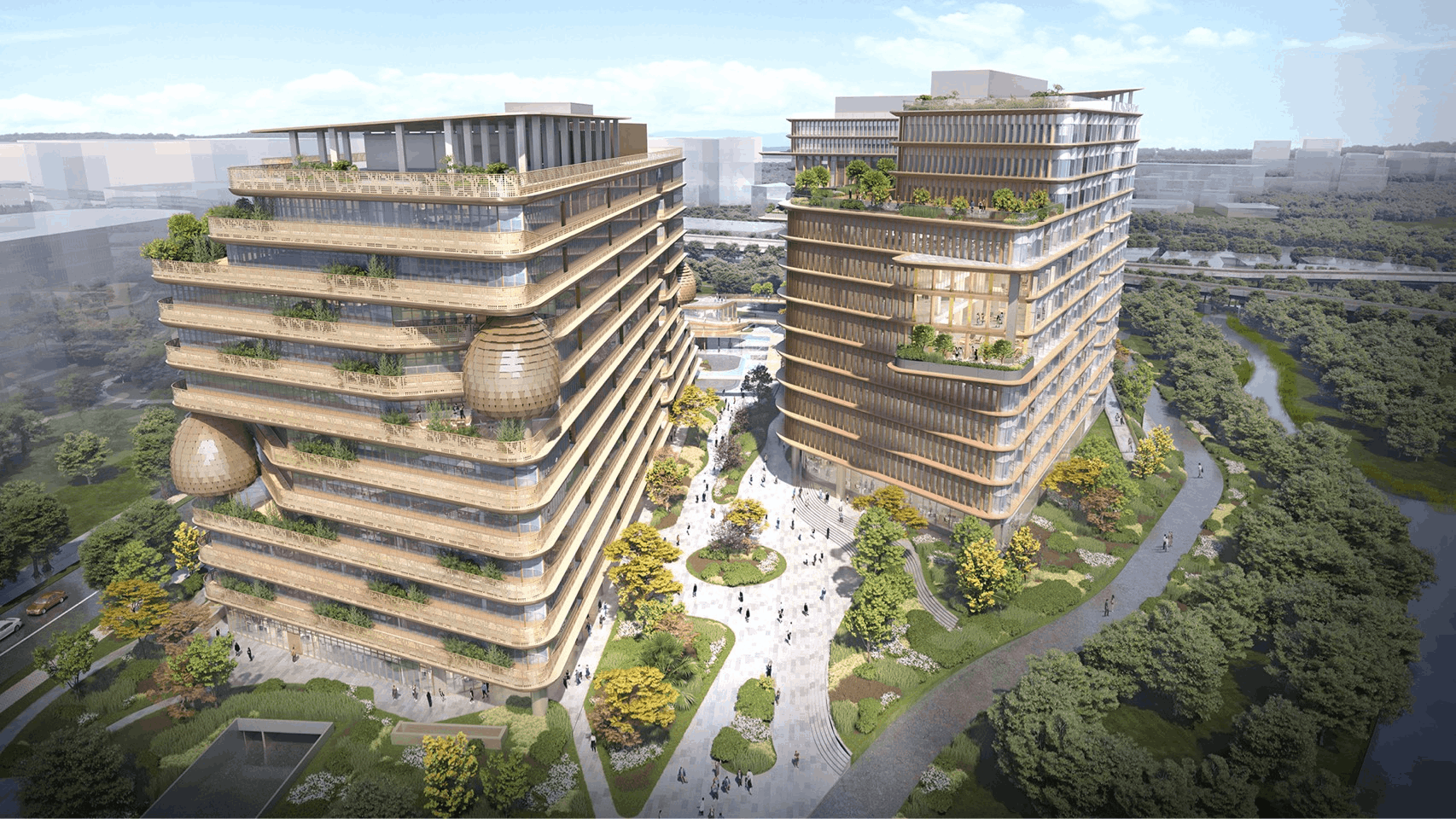
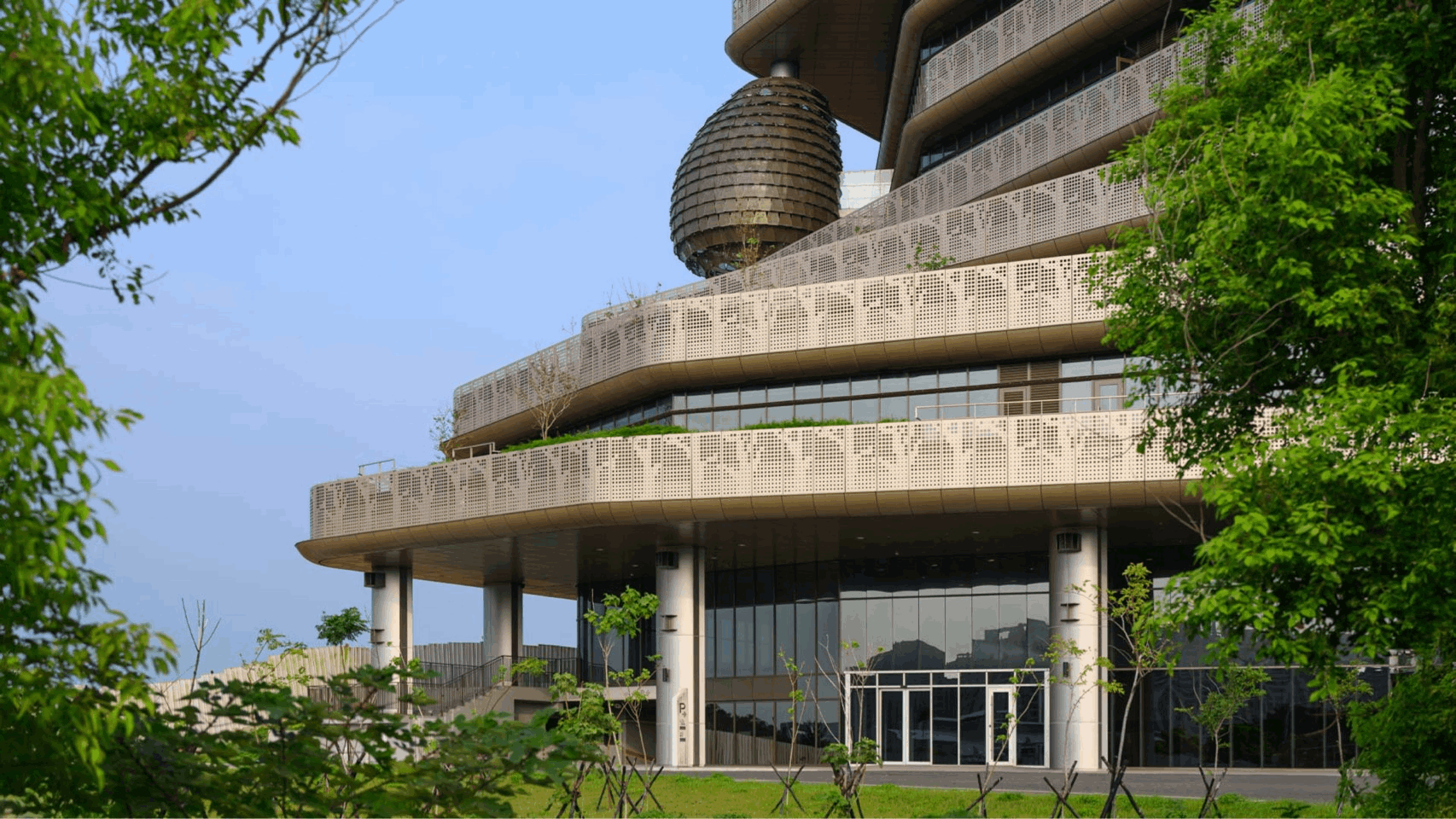
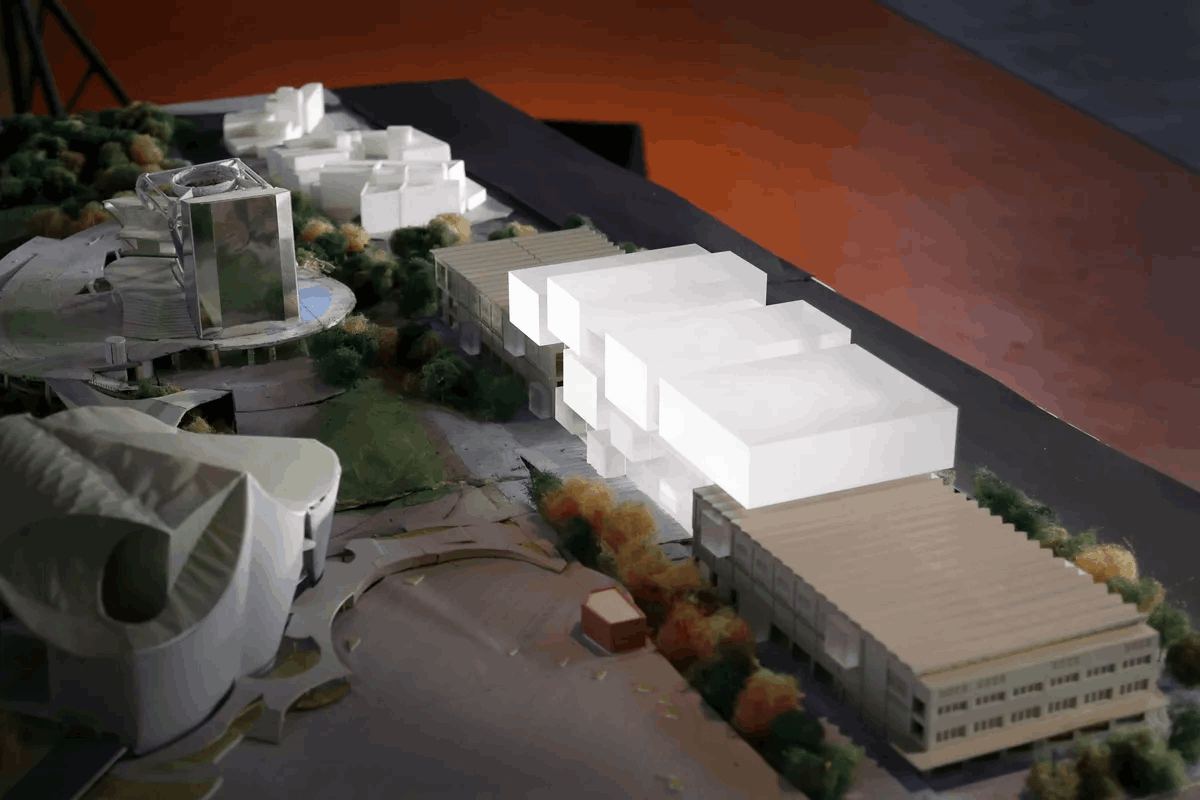
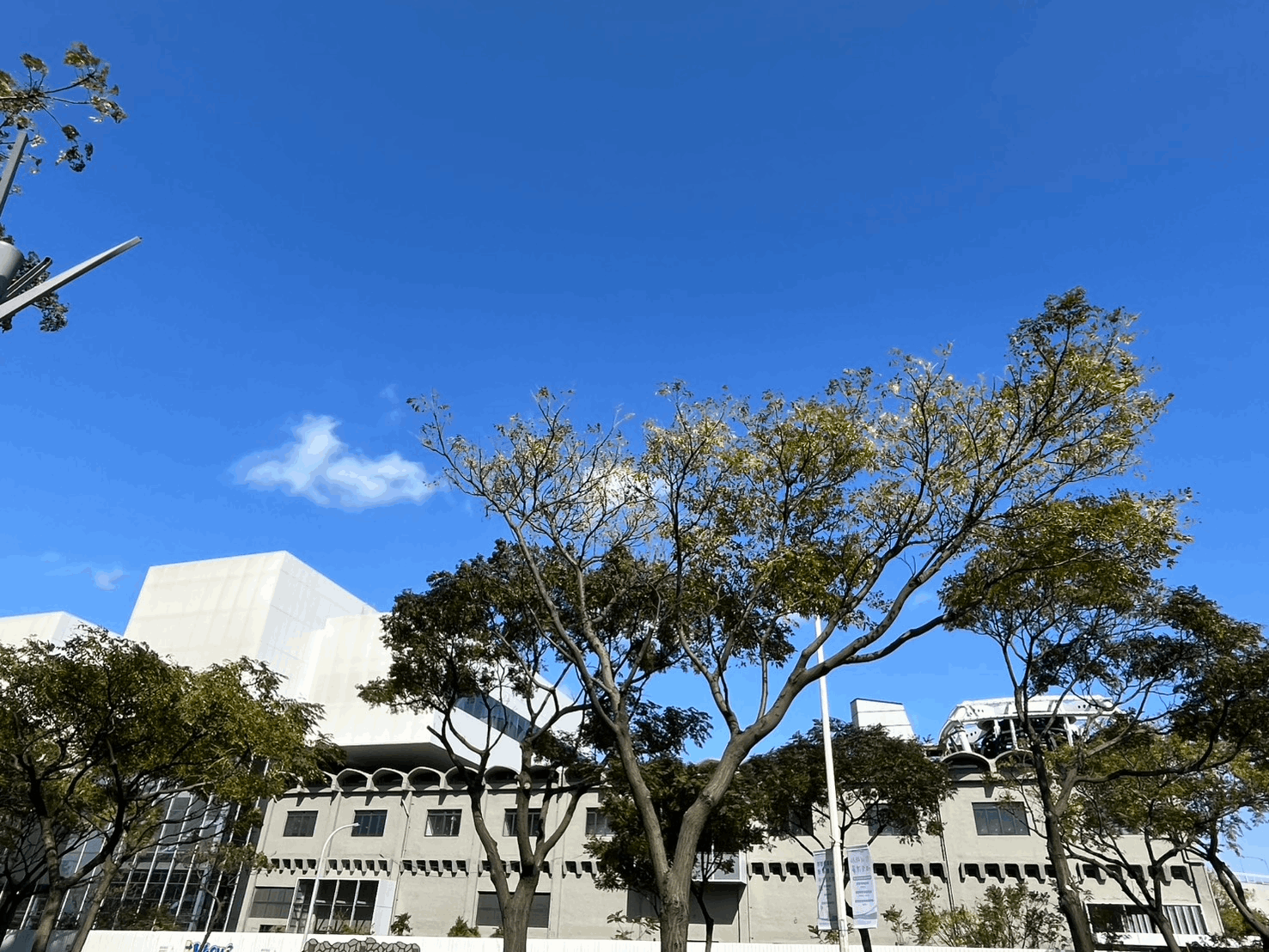
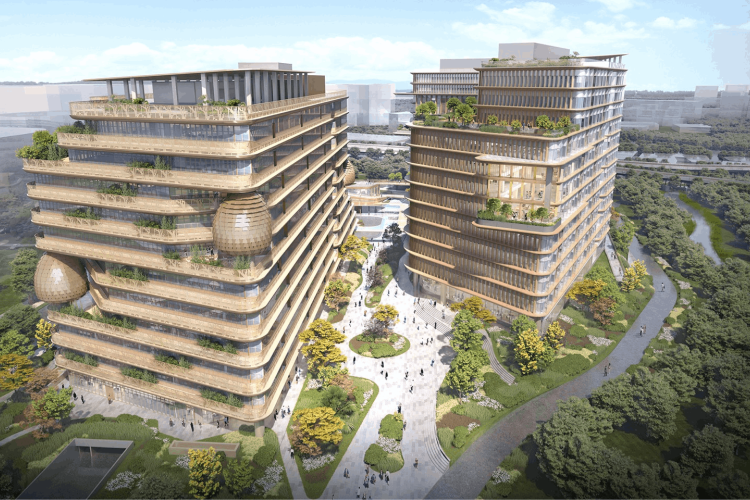
如今,這片曾經煙囪林立的工業地景正經歷轉變。市政府與中央合作推動「竹科X計畫」,規劃36公頃的產業特區,核心區約8公頃,包含竹科X基地的三棟研發大樓,聚焦AI、物聯網、5G通訊等創新產業。其餘區域則規劃為「藝文高地」,將設置新竹文創館、兒童探索館及國際展演中心,打造結合藝術人文與親子教育的文化新聚落。從殖民時期的水利基礎建設、戰後的肥料工業,到今日的智慧園區願景,公道五路見證新竹百年工業轉型與城市地景蛻變。
This former industrial landscape is now undergoing redevelopment. The government's "HSIP X Project" designates a 36-hectare zone featuring R&D buildings focused on AI, IoT, and 5G industries. The surrounding "Arts Highland" will include a creative arts center, children's discovery museum, and international performance venue. From colonial-era waterworks to postwar fertilizer production to today's tech park vision, Gongdao 5th Road encapsulates a century of industrial transformation in Hsinchu.
24 台灣肥料公司新竹廠舊址
24 Former site of Taiwan Fertilizer Company's Hsinchu plant
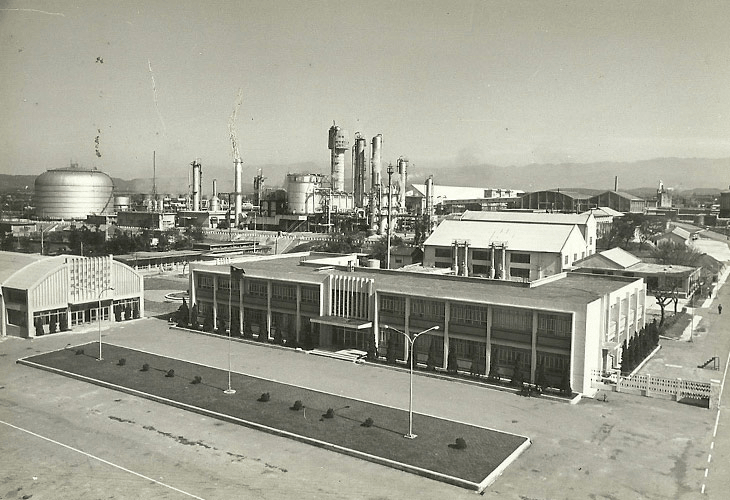
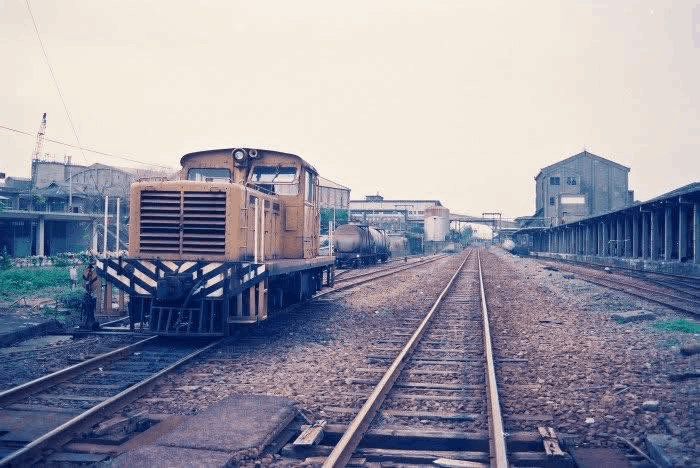
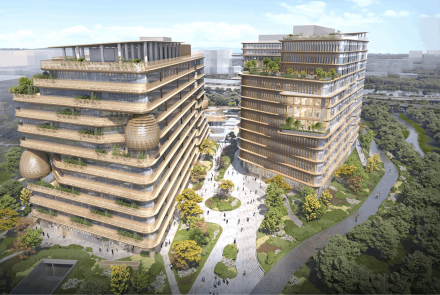
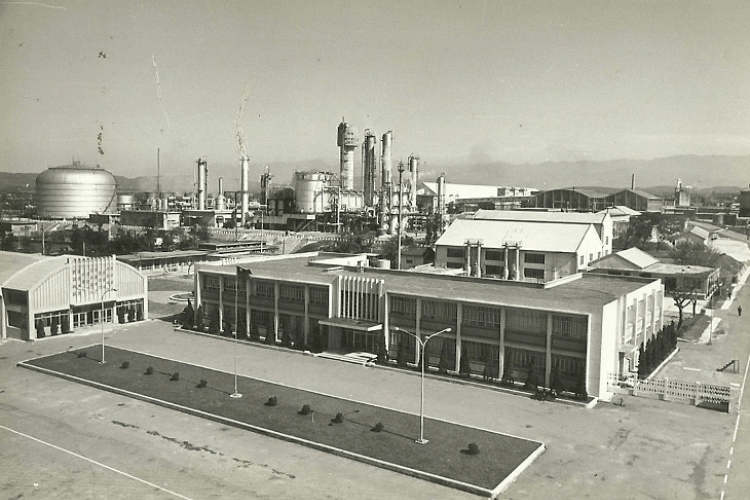
往西不遠處是台灣肥料公司新竹廠舊址。1942年,日本在戰時為供應佔領區農業需求,成立「台灣有機合成株式會社」,計畫在此生產肥料及軍需化學品,但設備運輸途中遭盟軍擊沉而未能開工。戰後,該廠由台肥公司接收,改稱台肥第五廠,並由來自各地的工程師改建為氰氮化鈣化肥工廠。當年為運送原料與成品,台鐵還鋪設了「台肥支線」,如今公道五路從鐵軌至建中路這一段,正是在拆除後的支線路廊上改建而成。2016年,台肥新竹廠正式拆除完成。
Nearby stood the Taiwan Fertilizer Company's Hsinchu Plant. In 1942, Japan established Taiwan Organic Synthesis Corporation here to produce fertilizers and military chemicals, but the equipment was sunk by Allied forces during shipment. After the war, the site became Taiwan Fertilizer's Fifth Plant, producing calcium cyanamide fertilizer. The Taiwan Railways Administration laid the "Taifei Branch Line" for transporting materials—today's Gongdao 5th Road between the railway and Jianzhong Road was built on this former rail corridor. The plant was demolished in 2016.
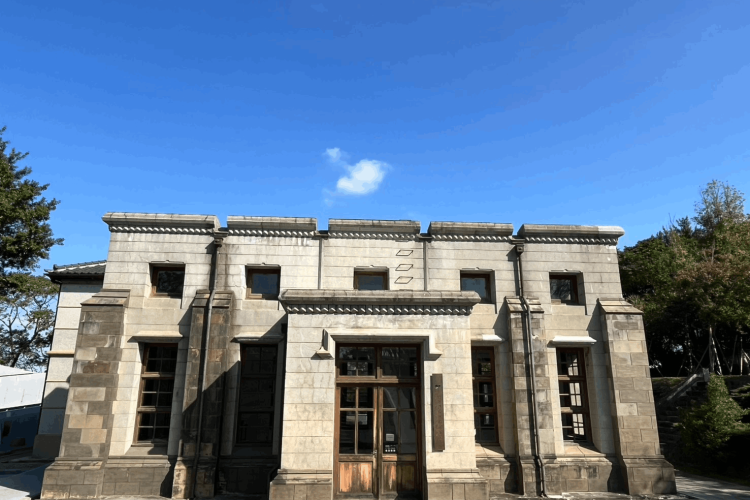
23 新竹水道取水口展示館
23 Hsinchu Waterway Intake Exhibition Hall
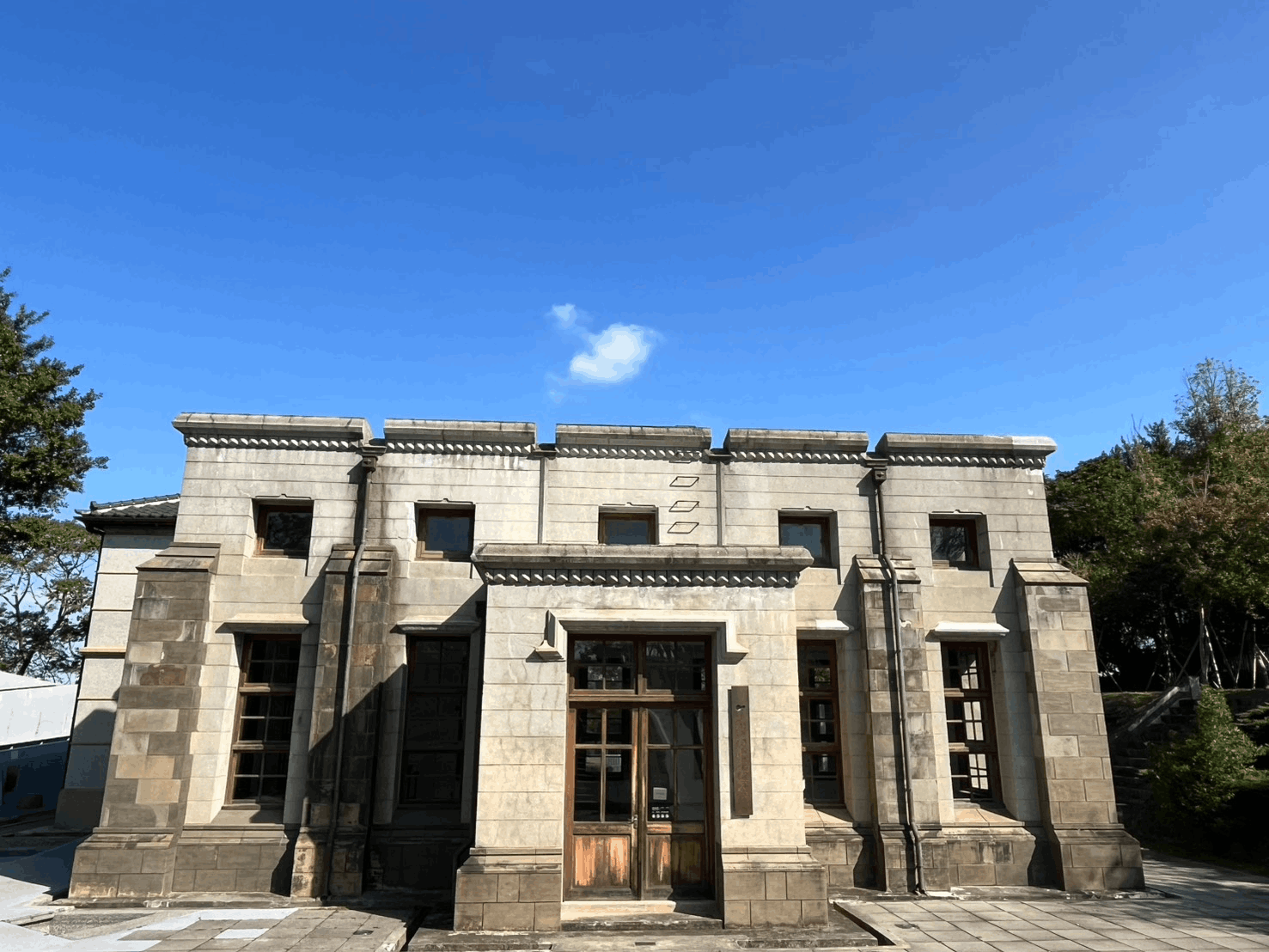
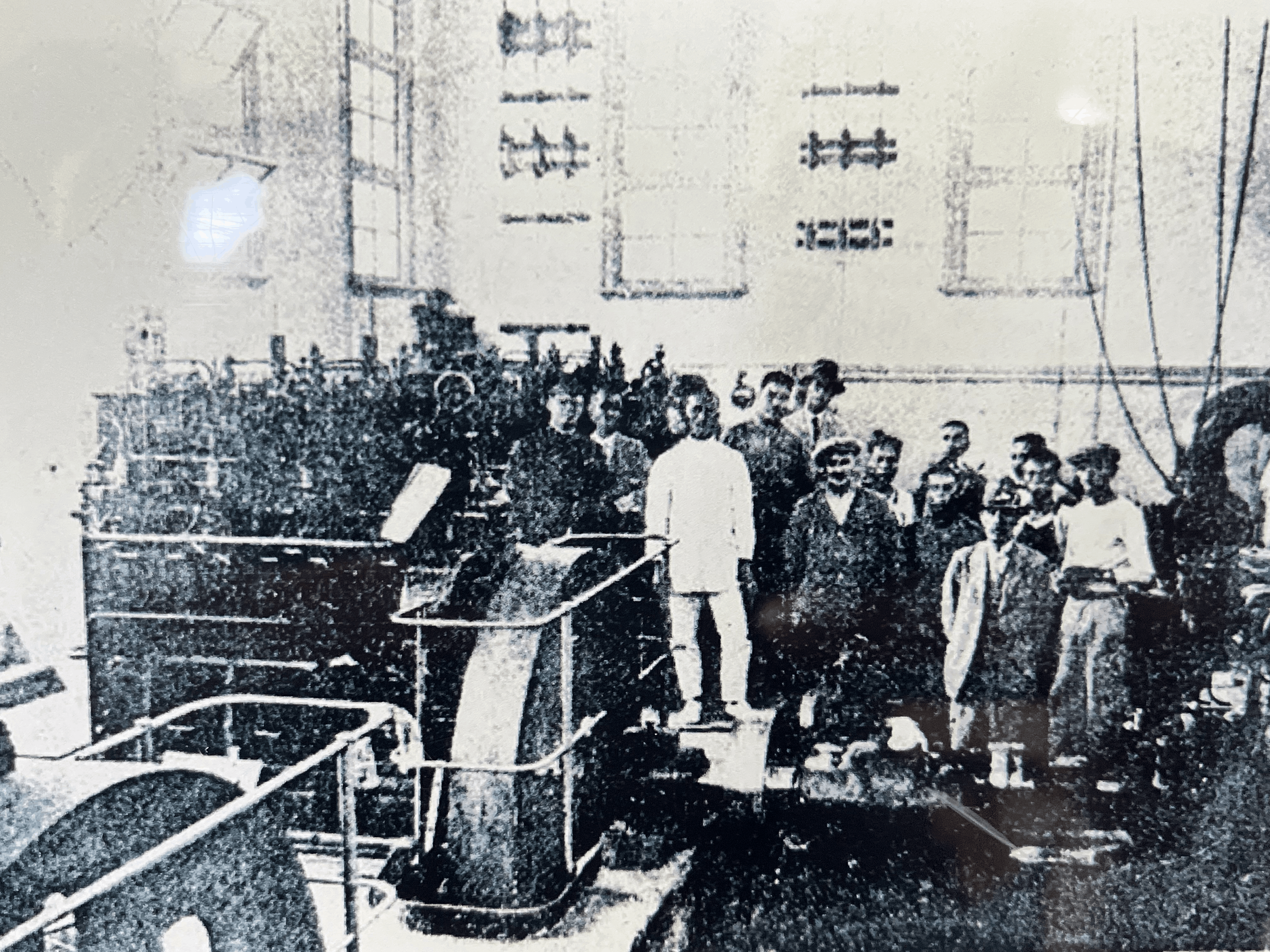
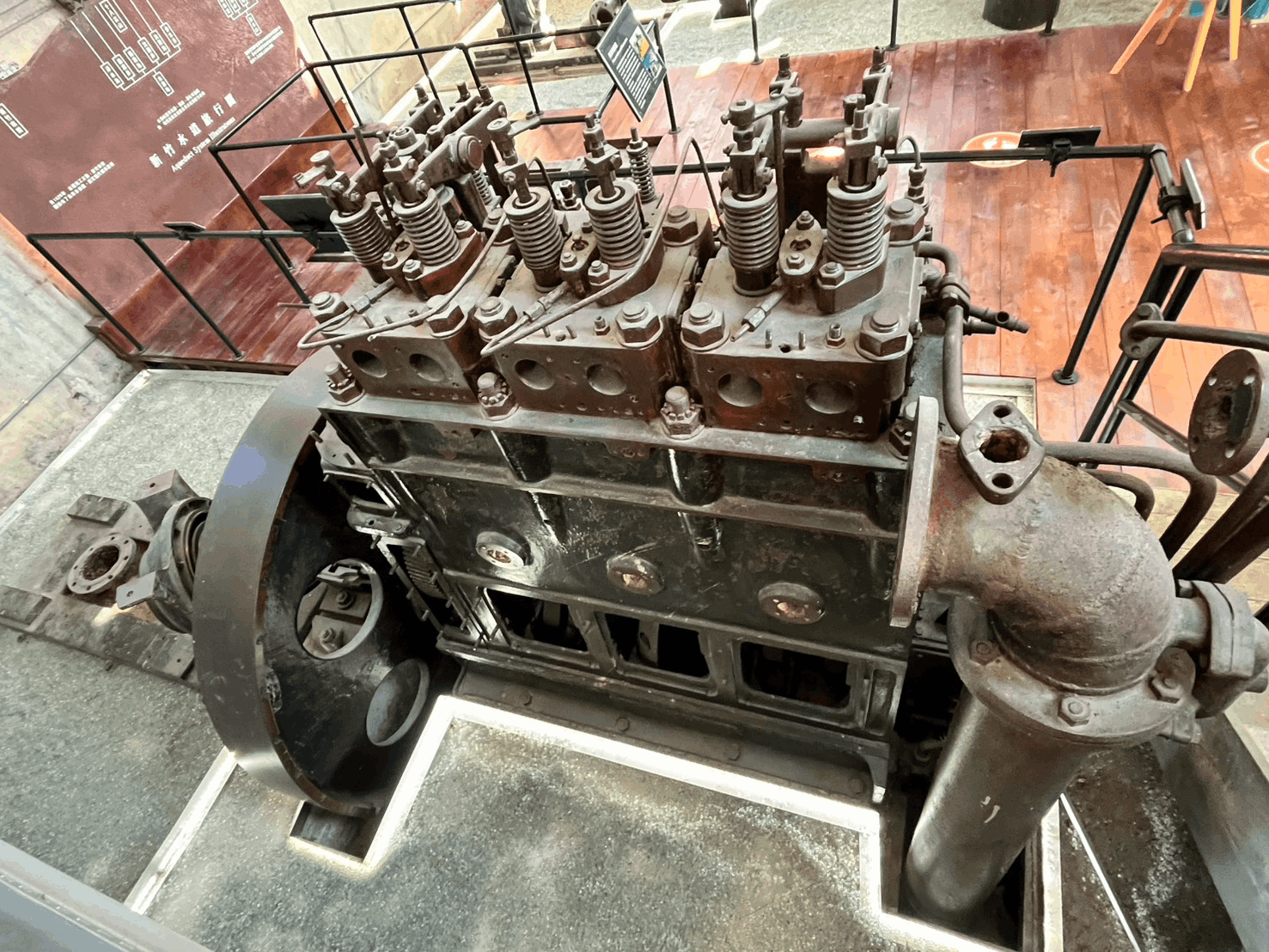
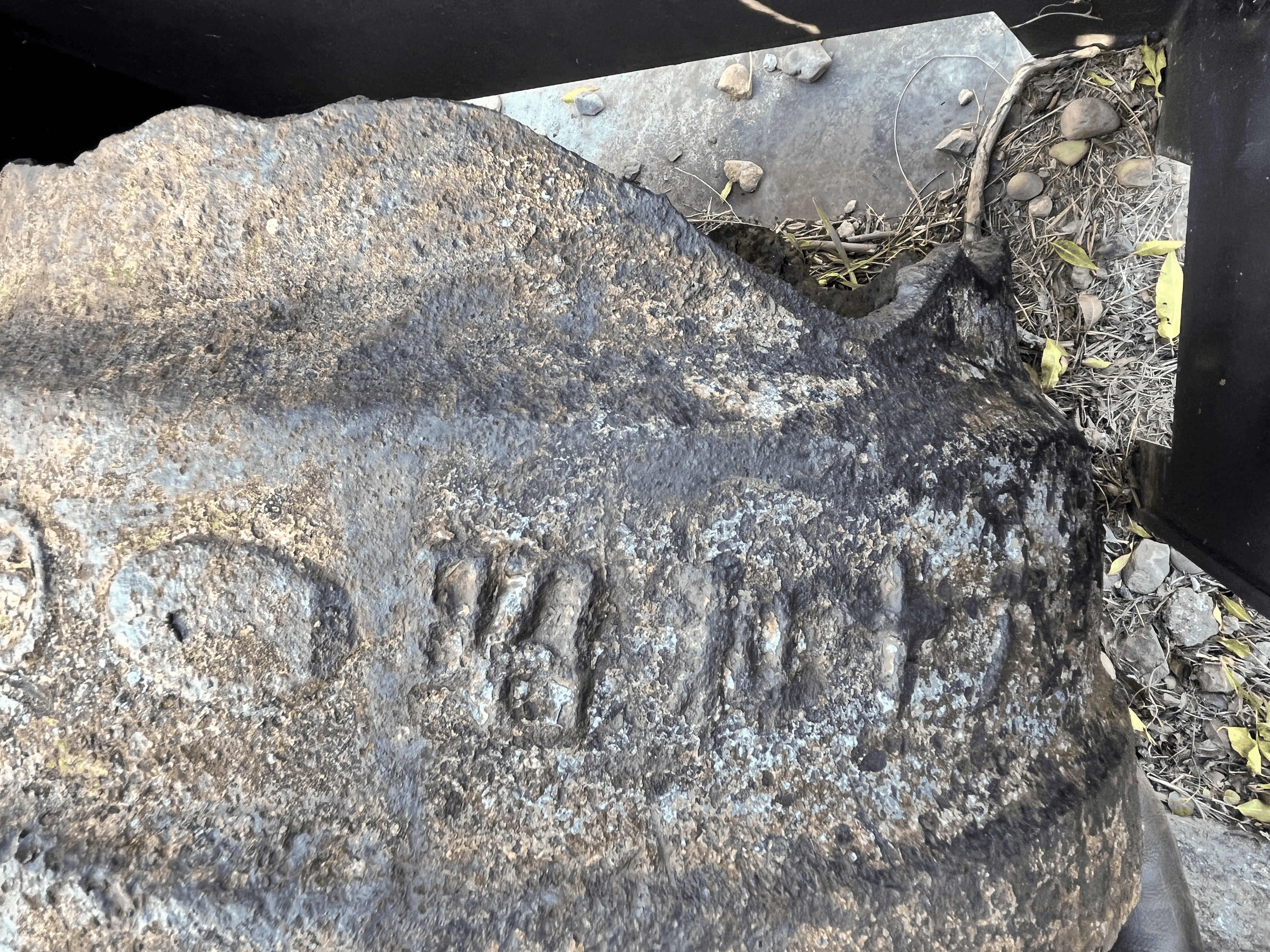
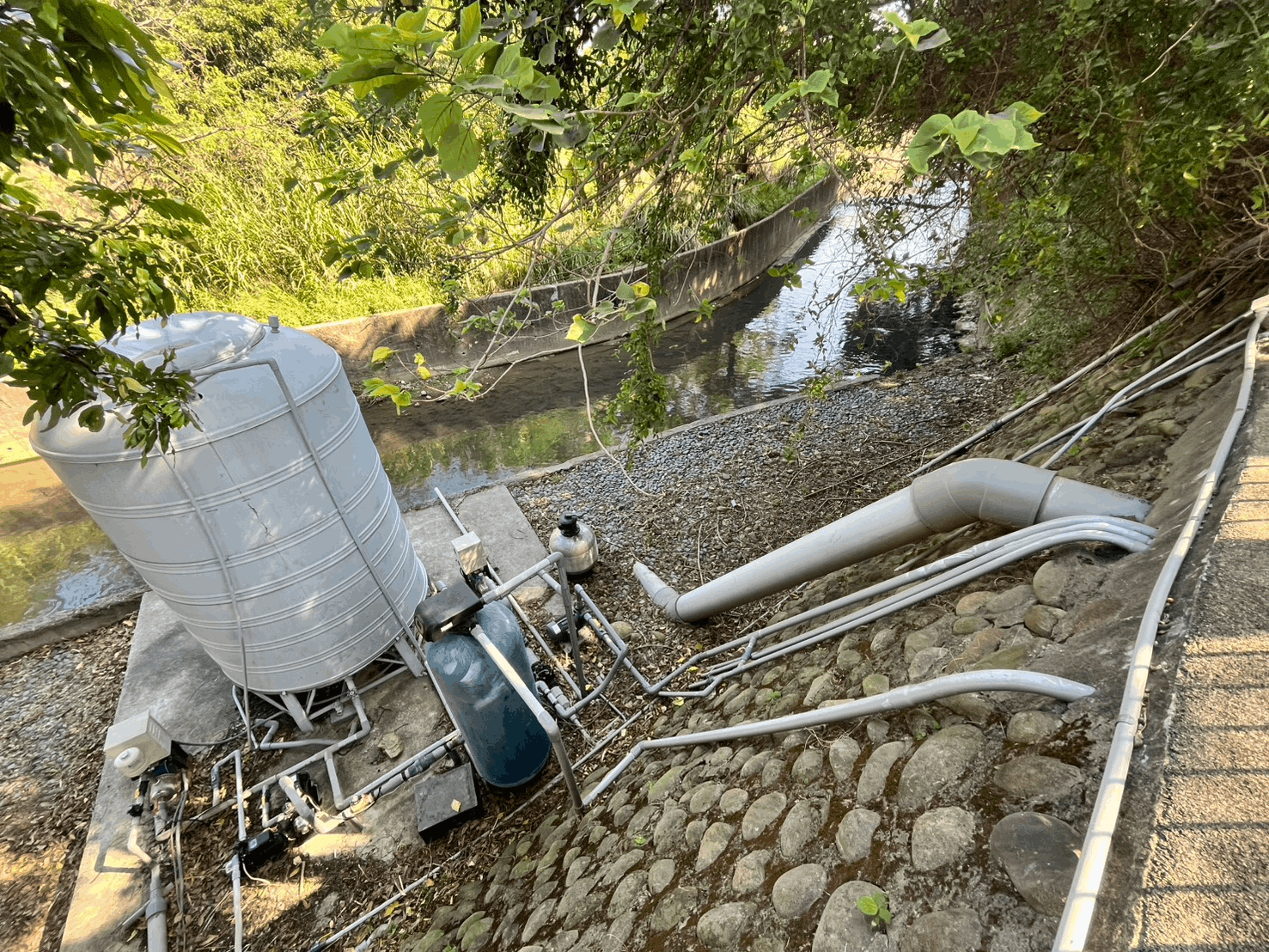
新竹市公道五路二段,這裡蘊藏著從日本殖民時期延續至今的豐富歷史層次。首先,「新竹水道取水口展示館」這座市定古蹟建於大正14年(1925年)動工,昭和4年(1929年)完工通水,是日治時期新竹街都市供水系統的核心設施。當時新竹市區的飲用水主要仰賴水井,但多數水質不符標準,因此總督府規劃興建現代化自來水系統。唧筒室內保存了德國MAN公司製造的90馬力重油泵,搭配日本田中製作所的電動機組,從隆恩圳收集伏流水後抽送至十八尖山的淨水池,再利用地勢高差將自來水送入市區千家萬戶。這座展示館於2019年開放。許多人以為新竹市飲用水來自寶山水庫,但實際上市區用水至今仍取自頭前溪與隆恩圳水系,水質長期存在污染疑慮;寶山水庫的水源主要供應竹科園區的產業用水。
This area preserves rich historical layers spanning from the Japanese colonial period to the present day.
The Hsinchu Waterworks Intake Exhibition Hall, a municipal heritage site, was constructed between 1925 and 1929 as the core facility of Hsinchu's modern water supply system. Before its completion, residents relied on wells with mostly substandard water quality. The pump house still contains a 90-horsepower diesel engine manufactured by Germany's MAN company, which drew groundwater from the Longen Canal and pumped it to a purification facility on Eighteen Peaks Mountain before distributing it citywide. Notably, while many assume Hsinchu's tap water comes from Baoshan Reservoir, the city actually still draws from the Touqian River system—with ongoing water quality concerns. Baoshan Reservoir primarily serves the Hsinchu Science Park's industrial needs.
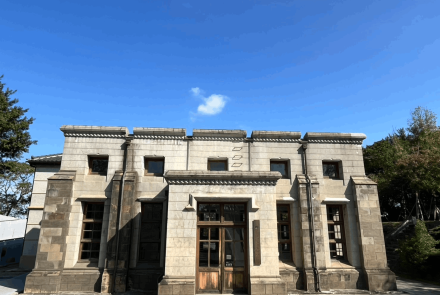
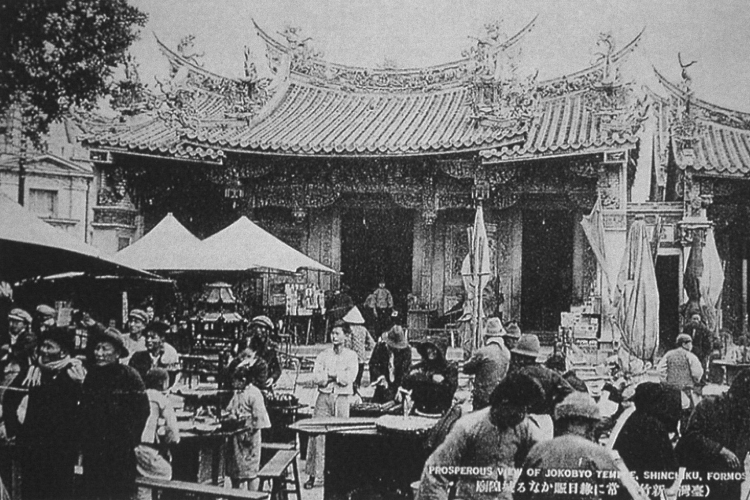
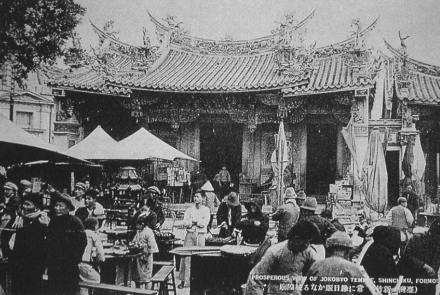
21 新竹城隍廟
21 Hsinchu City God Temple
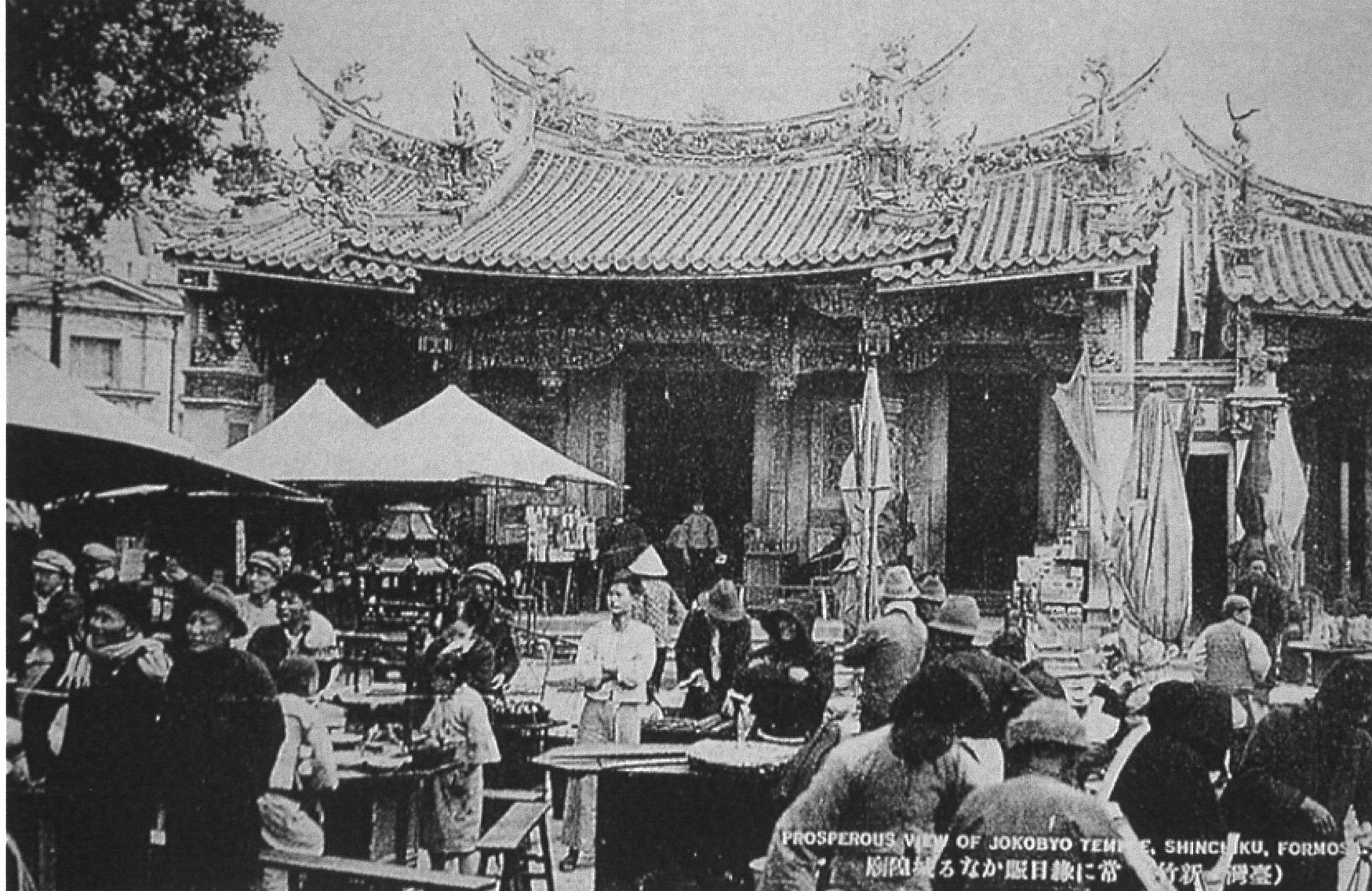
新竹都城隍廟於1748年完成。淡水廳治(即今日之中央商場、中央市場、土地銀行、三角建國公園、社教館、中正台、體育館停車場、郵局等全部包含在內)遲至1756年才完成。是台灣發展史上先建城隍廟再建政府治所唯一的例子。經推算,新竹都城隍廟在1747年農曆2月17日開始起造,次年(1748年)農曆8月16日落成,同年11月29日城隍爺安座。初期依例為縣城隍,顯佑伯。
The Hsinchu City God Temple was completed in 1748. The Tamsui Prefectural Government (including today's Central Shopping Mall, Central Market, Land Bank, Sanjiao Jianguo Park, Social Education Center, Zhongzhengtai, stadium parking lot, post office, etc.) was not completed until 1756. It is the only example in Taiwan's development history where a City God Temple was built before the government seat. It is estimated that construction of the Hsinchu City God Temple began on February 17th of the lunar calendar in 1747, and was completed on August 16th of the lunar calendar the following year (1748). The City God was enshrined on November 29th of the same year. Initially, it was the county City God, known as Xianyoubo.
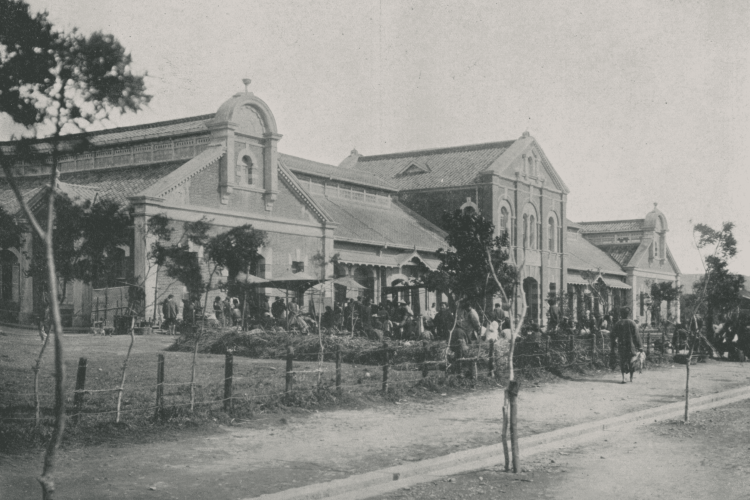
20 東門市場
20 Dongmen Market
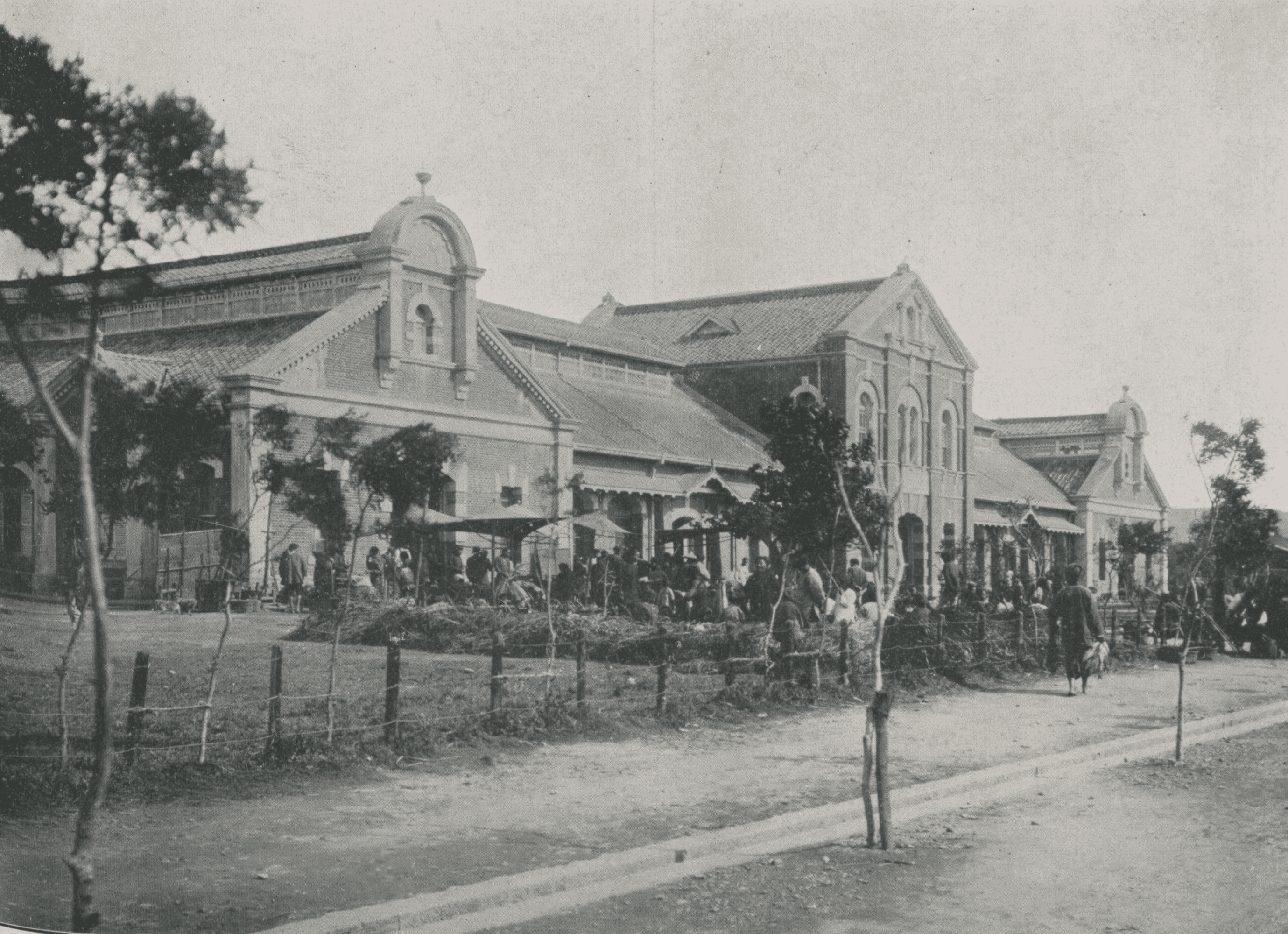
東門市場前身建於1901年,日本人與臺灣人合資興建之民間市場,後續改為公有市場,為兩層樓紅磚洋樓建築,直到1945年都是全台灣最大的市場。二戰後政府出資整修,為新竹市第一座有手扶梯的建築物,也是新竹1960年代最繁榮的商圈。1977年東門市場重建為目前的樣式,地下一層、地上三層,共規劃有571攤。2015年起東門市場開始一系列的產業活化與空間整理轉型。
Dongmen Market was originally built in 1901 as a private market jointly invested in by Japanese and Taiwanese. Later, it became a public market, a two-story red-brick building that was the largest market in Taiwan until 1945. After World War II, the government funded its renovation, making it the first building in Hsinchu City with escalators and the most prosperous commercial district in Hsinchu during the 1960s. In 1977, Dongmen Market was rebuilt into its current form, with one basement level and three floors above ground, housing 571 stalls. Since 2015, Dongmen Market has undergone a series of industrial revitalization and spatial transformation projects.
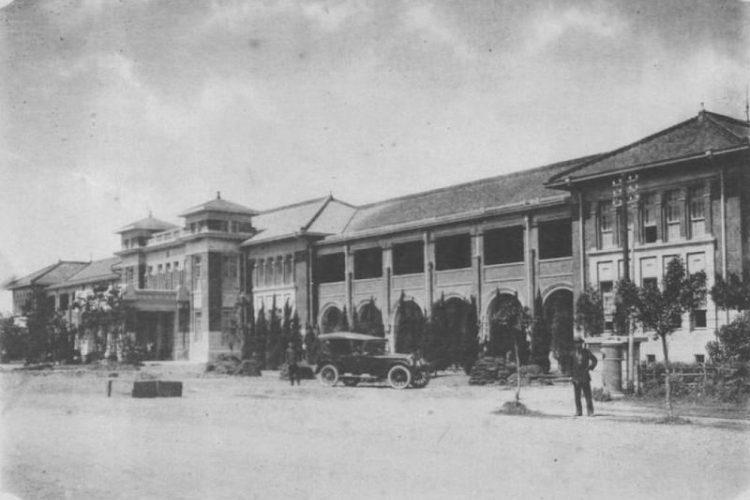
19 新竹州廳
19 The Shinchiku Prefecture government building
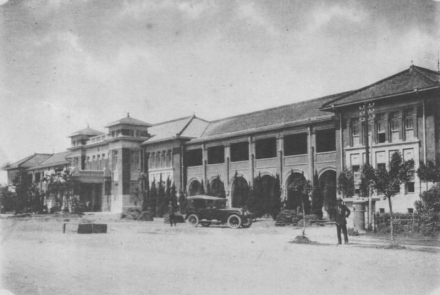
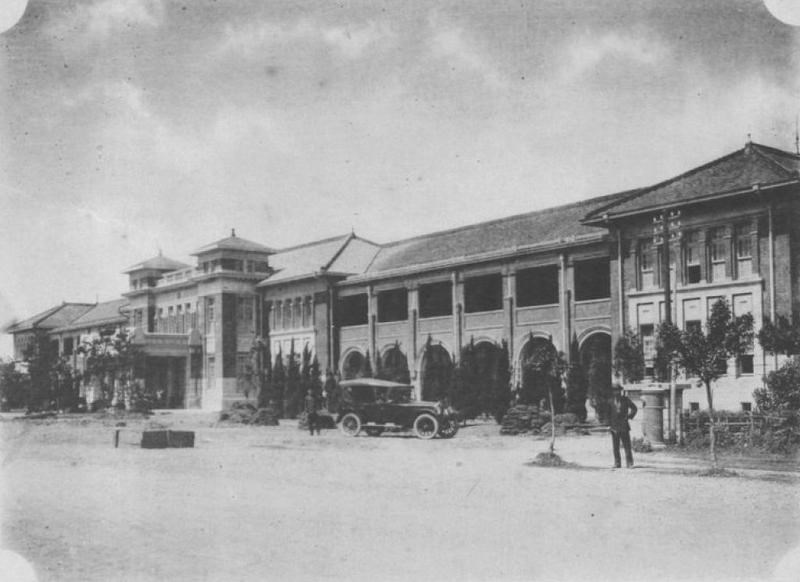
新竹州廳始建於1925年,1927年11月26日舉行上梁後啟用,1932年再擴建入口門廊部分,作為新竹市政府辦公廳舍至今。新竹州廳採西洋建築風格,為二層樓加強磚造建築物,地板與橫梁主要使用鐵筋混凝土,兩個坡式斜屋頂由木屋架組立而成,屋面材料使用日本黑瓦。
The Hsinchu Prefectural Government Building was first built in 1925 and opened to the public on November 26, 1927, after the roof beam was raised. The entrance porch was expanded in 1932, and it has served as the Hsinchu City Government office building ever since. The building adopts a Western architectural style, being a two-story reinforced brick structure. The floors and beams are primarily constructed of reinforced concrete, and the two sloping roofs are formed by wooden trusses, with Japanese black roof tiles used for the roofing.